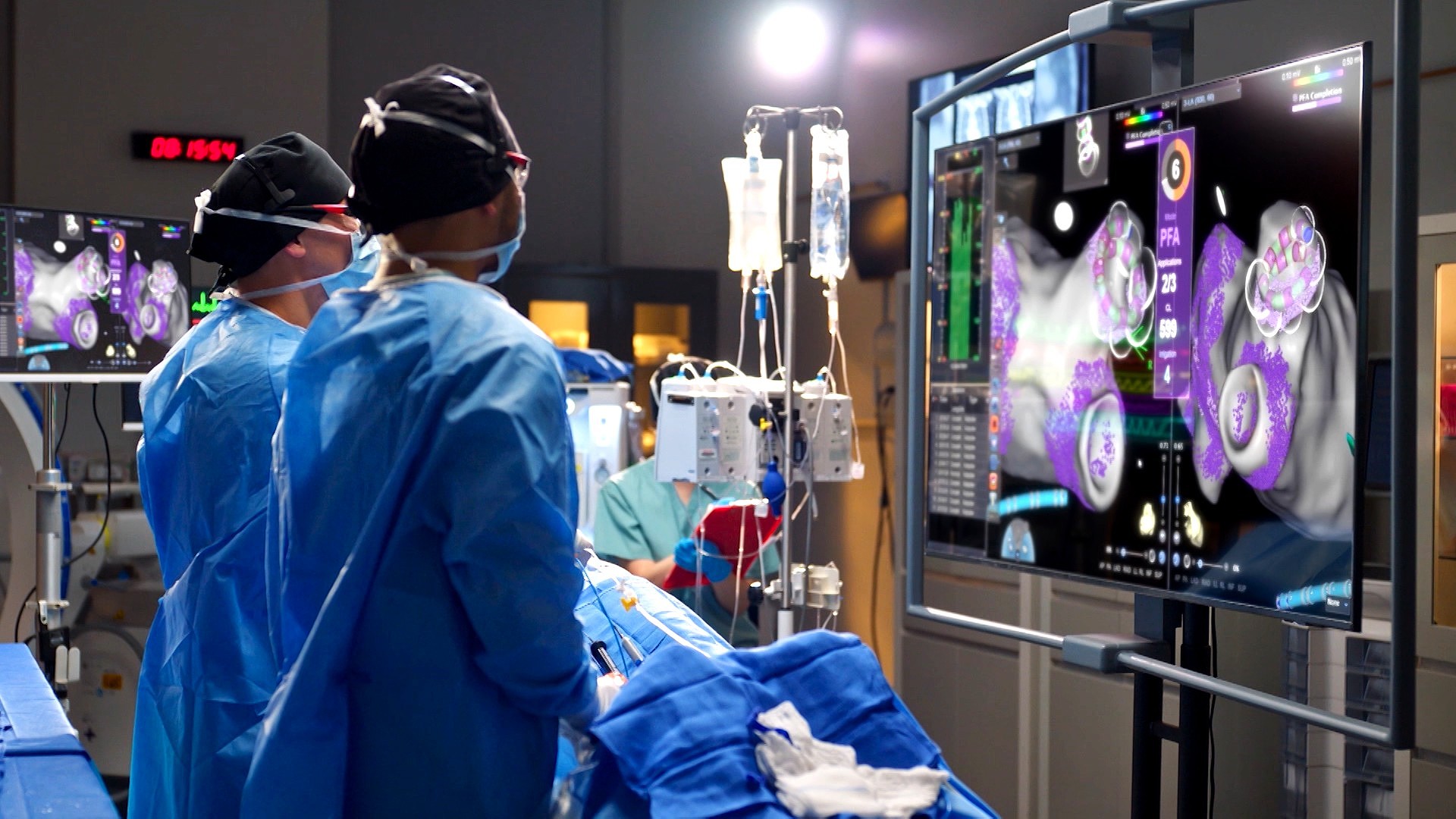
In the past, we have used drugs or other modalities to treat cancer, based on the type of cancer or location of cancer, without regard to its genetic and molecular features. By treating patients based on the mutation that caused it rather than the tissue it originates in, we can optimize treatment and hope to get better clinical outcomes. Next-Generation Sequencing (NGS) allows clinicians to test many genes of a cancer simultaneously. The mutations detected by NGS have been widely used for disease diagnosis, prognosis, therapeutic decisions, and follow-up for patients. Your doctor should offer NGS, or you can ask your doctor to do NGS either from the patient's tumor biopsy or a blood sample. We sat down with John Hood, co-founder, and CEO of Endeavor BioMedicines, to hear about their focus on precision medicine, as well as oncologist Dr. Luke from UPMC, and one patient who is not leaving one stone left unturned as she chases a treatment for her metastatic cancer.